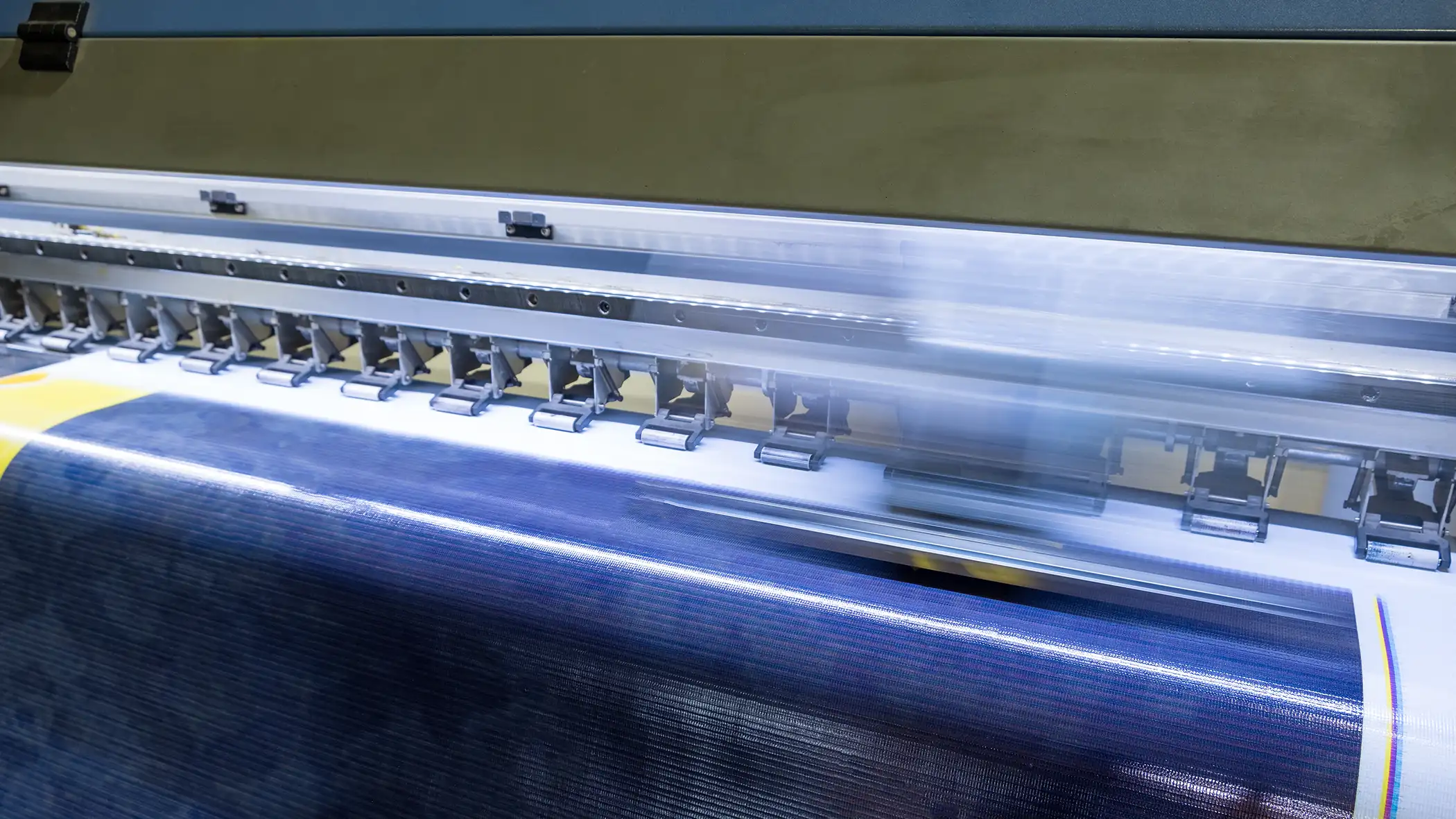
Digital printing is a modern printing method that transfers a digital file directly to a printer, without the need for traditional printing plates. It’s a flexible and efficient option for a wide range of printed materials, including business cards, flyers, labels, posters, brochures and personalised marketing materials.
Unlike traditional printing methods, digital allows you to produce high-quality prints in smaller quantities, with faster turnaround times and greater flexibility for customised content.
How Does Digital Printing Work?
Your artwork is prepared as a digital file and sent directly to the printing machine. The printer then uses ink or toner to reproduce your design onto the selected material, creating the finished product.
Because digital doesn’t require printing plates, there is less setup involved compared with traditional printing methods. This makes it particularly useful for smaller print runs, time-sensitive projects and jobs that require frequent changes or personalisation.
Why Use Digital Printing?
One of the biggest advantages is its flexibility. It’s a practical choice when you need smaller quantities, a quick turnaround or different information printed across individual pieces. It allows you to:
- Print smaller quantities without the setup typically associated with traditional printing
- Get a faster turnaround for time-sensitive printing projects
- Personalise individual prints with different names, details, images or other content
- Make changes easily without the need to create new printing plates
- Order only what you need, helping to reduce unnecessary print quantities and waste
Digital Printing vs Traditional Printing
Digital printing isn’t necessarily the best choice for every project. The right printing method depends on factors such as your quantity, budget, turnaround time and the type of finished product you need.
For large-volume printing, traditional methods such as offset printing may be more cost-effective. However, for smaller print runs, personalised materials or projects where speed and flexibility are important, digital printing can be the better option.
When Should You Choose Digital Printing?
Digital printing is particularly well suited to:
- Short-run printing
- Personalised or variable-data printing
- Marketing materials that need to be updated regularly
- Fast-turnaround print jobs
- Small businesses and events requiring limited quantities
- Projects where you want to avoid ordering large volumes
Is Digital Printing Right for Your Project?
Choosing the right printing method depends on more than just the type of product you’re printing. Your ideal solution will depend on the quantity, budget, turnaround time, level of personalisation and desired finish.
Not sure whether digital printing or a traditional printing method is right for you? Our team can help you find the most suitable printing solution for your project, based on what you need and how you plan to use your printed materials.